What is an NVMe SSD?
NVMe SSDs are storage devices that offer high speed and efficiency, surpassing traditional SATA SSDs.

An NVMe (Non-Volatile Memory Express) SSD is a type of solid-state drive that uses the NVMe protocol to communicate with the system. This protocol was specifically designed to maximize the speed of PCIe (Peripheral Component Interconnect Express) interfaces, allowing for much faster data transfers compared to SSDs that use the SATA protocol.
NVMe SSDs stand out due to their low latency and higher bandwidth, resulting in significantly enhanced performance in tasks requiring high read and write speeds, such as gaming, video editing, and running heavy applications. This is because NVMe is optimized for modern system architecture, enabling more commands to be processed simultaneously.
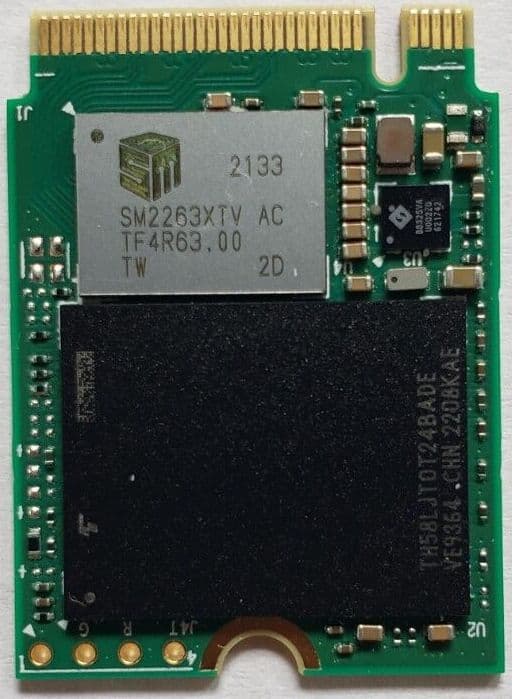
Moreover, NVMe SSDs are generally smaller and more compact than SATA SSDs, allowing for more efficient designs in laptops and desktops. They are available in various formats, such as M.2 and U.2, making their installation flexible across different hardware configurations.
With the increasing popularity of NVMe storage, many hardware manufacturers are incorporating this technology into their offerings, making NVMe SSDs a preferred choice for users looking for superior performance and speed in their machines.
Related deal
 -31% OFFAmazon
High-performance 1TB NVMe SSD
Read speeds up to 7000MB/s, ideal for gaming and video editing.
R$549.00
R$379.00
You might also like
Nvidia acquires Hugging Face for $13 billion
Nvidia announced the acquisition of Hugging Face for $13 billion, marking a significant move in the AI sector.
Read article · 3 min read
5 tech essentials you shouldn't travel without
Five inexpensive items that cover almost everything on a trip — from the one charger you actually need to a tracker in your checked bag.
Read article · 5 min read
AMD Acquires Taalas to Boost Inference Performance
AMD has acquired Taalas to enhance inference performance by embedding models in silicon, a promising innovation in the AI sector.
Read article · 4 min read