How Europe is Affecting Makers and Microentrepreneurs
Discover how regulations in Europe are impacting makers and microentrepreneurs, threatening innovation and creativity on the continent.
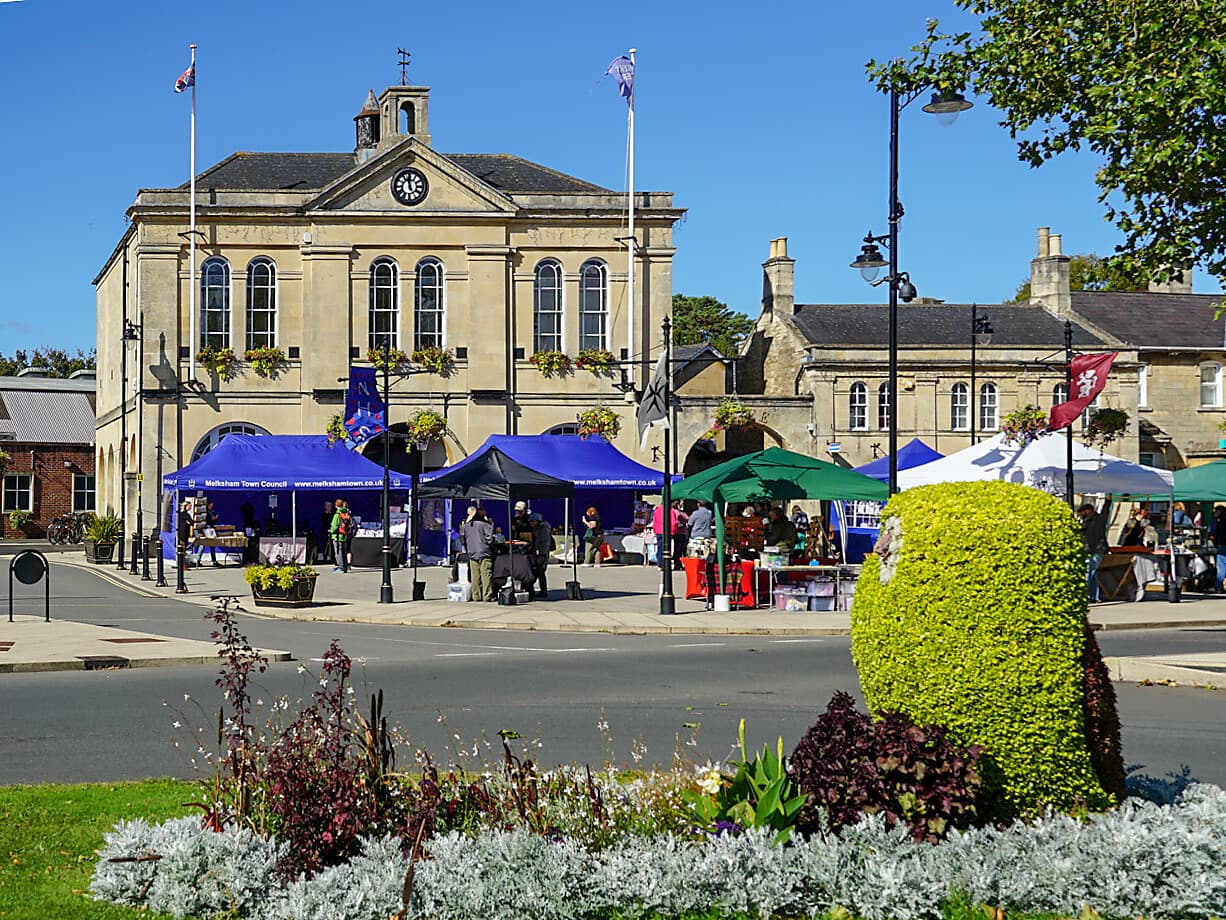
The increasing regulation in Europe is becoming a significant obstacle for makers and microentrepreneurs. With bureaucratic norms and heavy tax requirements, many innovators face difficulties in starting or maintaining their businesses. This article explores how these barriers are affecting the flourishing of creative ideas and the local economy.
The Role of Makers in the Economy
Makers are individuals or small groups who use their skills to create unique and innovative products. They often operate in spaces like fab labs and makerspaces, where they have access to tools and resources to develop their ideas. These innovators play a crucial role in the economy, bringing new solutions and stimulating local growth. However, the increasing regulation imposed by European governments is threatening this dynamic.
The Impact of Regulations
Regulations in Europe, aimed at standardizing and controlling production, end up creating significant barriers for makers. For example, safety and compliance requirements can be burdensome for small producers who do not have the same resources as large companies. Additionally, the complexity of tax laws and the need for extensive documentation discourage many from continuing their activities.
Bureaucracy as the Enemy of Innovation
Excessive bureaucracy is often cited as one of the main obstacles for European makers. Slow and complicated processes for obtaining licenses and approvals not only delay projects but also increase operational costs. This creates an environment where only those with sufficient financial resources can navigate the system, leaving many talented innovators out.
Examples of Tax Barriers
Taxation in Europe can be particularly challenging for microentrepreneurs. The requirements for detailed reporting and the need to comply with tax regulations from different countries make financial management complex and time-consuming. Furthermore, the cost of hiring accountants or tax consultants is often prohibitive for small businesses.
Alternatives and Possible Solutions
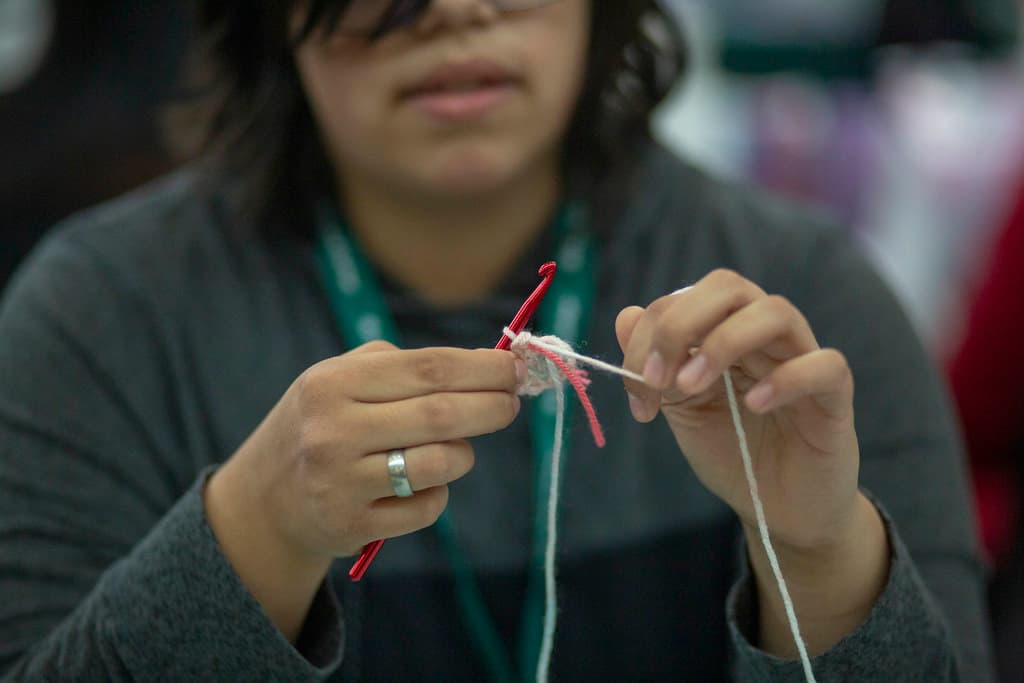
To face these challenges, some makers are seeking alternatives such as crowdfunding platforms and online sales that can reduce the costs associated with physical stores. Additionally, there is a growing movement to simplify regulations and create exceptions for small producers, allowing them to continue innovating without the burden of excessive norms.
The Importance of Support Communities
Support communities, such as maker associations and networks of microentrepreneurs, play a vital role in mutual aid and resource sharing. These groups can offer support in navigating regulations and provide a space for exchanging ideas and experiences, strengthening the innovation ecosystem.
Fun Facts
- The maker movement began to gain prominence in Europe in the mid-2000s.
- Many makerspaces offer courses and workshops to teach skills such as programming and electronics.
- Some European countries have already started reviewing their policies to encourage innovation.
- The COVID-19 pandemic led to an increase in the manufacturing of homemade products.
- Crowdfunding platforms are a common outlet for makers to finance their projects.
Tips for Microentrepreneurs
- Educate yourself about local regulations before starting a business.
- Consider using digital platforms to reduce fixed costs.
- Join maker communities for support and guidance.
- Stay updated on changes in laws that may affect your operations.
- Seek partnerships with other makers to share resources and knowledge.
Conclusion
Makers and microentrepreneurs are essential for innovation and the local economy in Europe. However, excessive regulations are creating significant barriers for these small innovators. It is crucial for governments to consider more flexible and tailored policies to support the growth of this vital sector. Only then will it be possible to ensure that creativity and innovation continue to thrive on the continent.
Frequently asked questions
› What are makers?
Makers are individuals or groups who create innovative products using craft and technological skills.
› How does bureaucracy affect makers in Europe?
Bureaucracy creates barriers with slow and complex processes, increasing costs and hindering innovation.
› What are the alternatives to overcome regulations?
Makers can use digital platforms and support communities to navigate regulations and reduce costs.
› What is the impact of regulations on the local economy?
Regulations can stifle innovation and economic growth by creating barriers for small producers.
You might also like

Discover the E-Ink Frame that Draws Birds
Meet the innovative e-ink frame that listens to birds and draws them as 19th-century illustrations. A fascinating combination of technology and art!
Read article · 3 min read
Best Free Online English Courses
Discover the best free online English courses and learn the language efficiently without spending anything.
Read article · 3 min read
XCancel: Service Suspended Indefinitely
Understand why the XCancel service has been suspended indefinitely and the impact on users. Learn more about alternatives and what to expect.
Read article · 3 min read