AI-Generated Posters Can Be Incredible
Discover how AI-generated posters can be visually stunning and effective, debunking the notion that they are always poor quality.
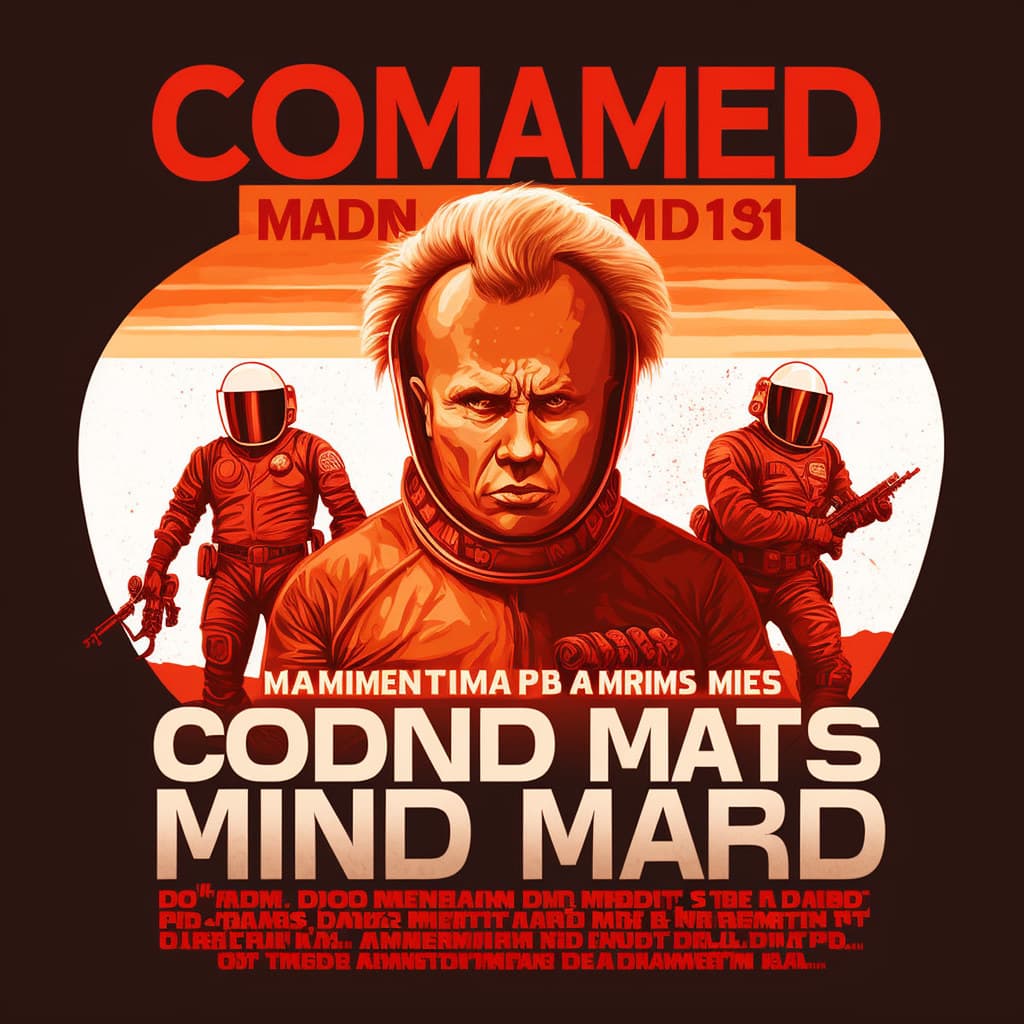
Artificial intelligence (AI) is revolutionizing graphic design, including poster creation. While many believe that AI-generated posters are of low quality, this doesn't have to be true. With the right approach, it's possible to create visually impressive and effective posters that capture the audience's attention.
The Evolution of AI-Generated Posters
The use of AI in poster design has evolved significantly in recent years. Initially, the results were often criticized for being uncreative or aesthetically displeasing. However, with advancements in machine learning technologies, the quality of these designs has improved. Modern AIs are capable of analyzing design trends and applying complex techniques to create aesthetically appealing visuals.
How AI Creates Posters
AI systems use deep learning algorithms to understand and replicate design styles. They can analyze vast amounts of visual data to identify patterns and elements that work well together. Based on this analysis, AI generates posters that can range from minimalist to complex, depending on user preferences.
The Advantages of AI-Generated Posters
One of the main advantages of using AI to create posters is efficiency. Human designers can take hours or even days to create a poster, while an AI can generate multiple options in a matter of minutes. Additionally, AI can customize designs at scale, easily adapting to different needs and target audiences.
Challenges and Limitations
Despite the advantages, there are still challenges to overcome. AI may struggle to capture creative nuances that a human designer intuitively understands. Furthermore, there are ethical concerns regarding the use of AI in design, such as copyright issues and the originality of generated work.
Success Stories
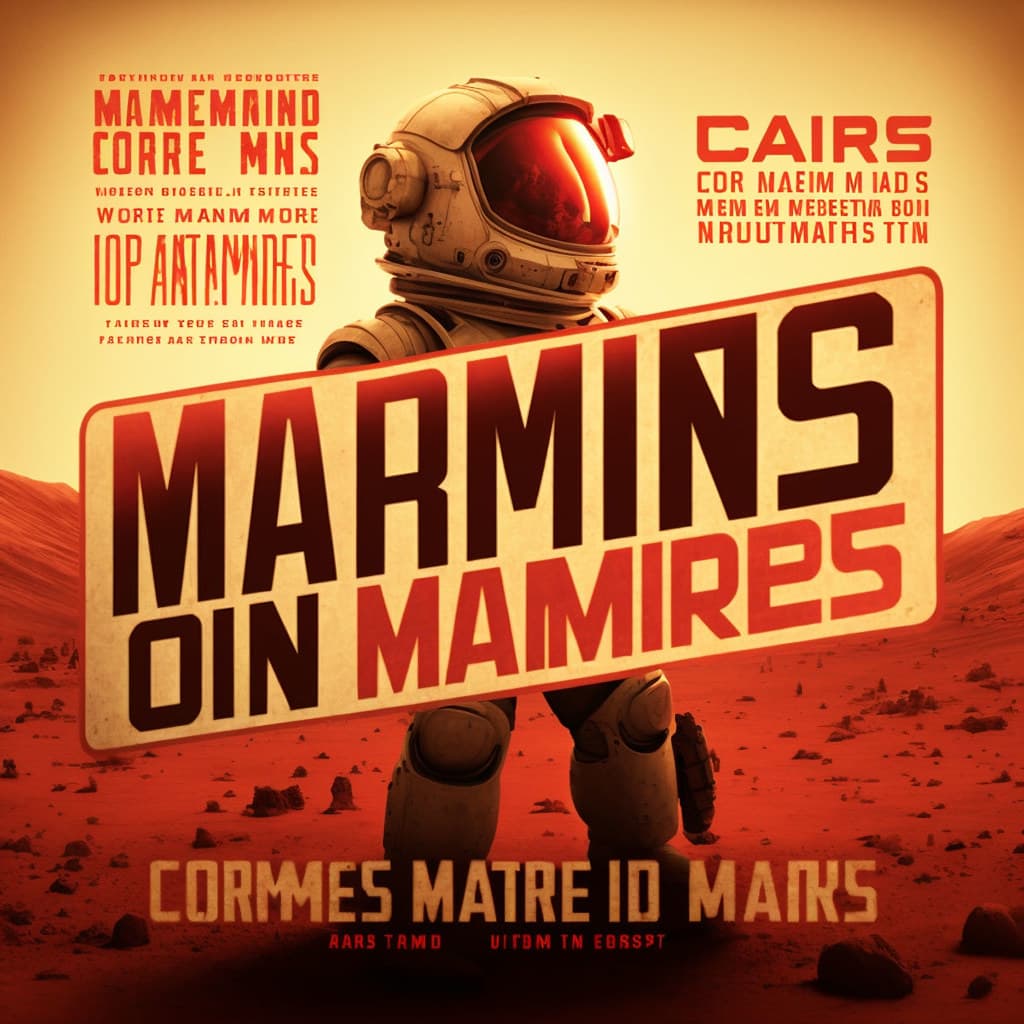
Various sectors have already successfully adopted AI-generated posters. In the entertainment world, for example, movie and event posters use AI to create dynamic designs that stand out. Marketing companies also explore this technology to produce effective and appealing promotional materials.
How to Improve Designs with AI
To achieve the best results, it's crucial to integrate a human touch into the process. Designers can use AI as a collaborative tool, guiding it and adjusting the results to ensure that the final product meets artistic and branding expectations.
Fun Facts
- AI can analyze millions of images in seconds to learn about design.
- Some platforms allow non-experts to create professional posters with AI.
- AI can automatically adjust designs for different print formats.
- There are competitions where AI-created posters compete with human designs.
- AI is also being used to restore damaged old posters.
Tips for Using AI in Poster Design
- Choose an AI design platform that offers customization.
- Experiment with different styles to see which best fits your audience.
- Combine human creativity with AI efficiency.
- Use human feedback to adjust and improve generated designs.
- Be aware of legal issues regarding the use of AI-generated images.
Conclusion
AI-generated posters don't have to be terrible. With technology advancing rapidly, there is incredible potential to create impressive and effective designs. By combining human creativity with AI's analytical capabilities, it's possible to achieve results that not only meet visual needs but also delight the audience.
Frequently asked questions
› Are AI-generated posters of good quality?
Yes, with the right tools, AI-generated posters can be high quality and visually appealing.
› How does AI create poster designs?
AI uses algorithms to analyze visual data and generate designs based on identified patterns, creating visually pleasing results.
› What are the advantages of using AI in graphic design?
AI offers efficiency, large-scale customization, and the ability to generate multiple designs quickly.
› Are there disadvantages to using AI for design?
Yes, challenges include capturing creative nuances and ethical issues regarding originality and copyright.
You might also like

Claude Opus 5.5: The Future of Artificial Intelligence
Discover everything about Claude Opus 5.5, the latest advancement in AI from Anthropic, and how it is transforming the technological landscape.
Read article · 3 min read
ChatGPT Now Knows Your Online Activity
Discover how ChatGPT uses ad trackers to know what you do on other sites and the impact on privacy.
Read article · 3 min read
'End of the World by AI'? Giants Split Opinions
Discover how tech leaders and governments are divided on the risks of AI and the possible 'end of the world'.
Read article · 3 min read